

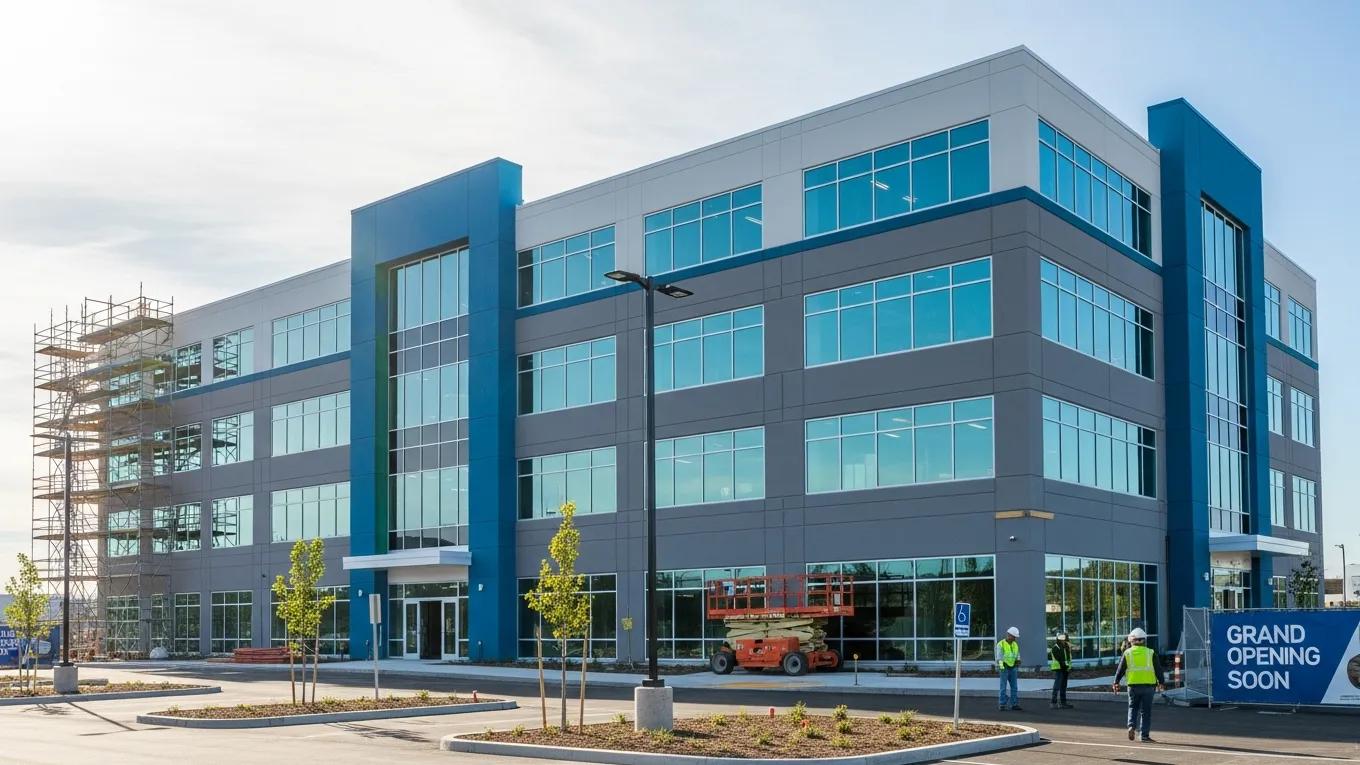
If you manage commercial property, you’ve probably had this conversation before: an ownership group or board asks what it will cost to repaint the building, and you’re stuck giving a vague answer because nobody’s broken down what actually drives that number.
Commercial painting isn’t priced like a residential job, and treating it that way in a budget proposal is one of the fastest ways to end up either overspending or getting a lowball number that falls apart once the real scope is known. Square footage, surface condition, building type, and even the season all factor into a realistic number and understanding each of these gives you a much stronger position when it’s time to present numbers to ownership or approve a contractor’s bid.
This guide walks through the real factors that shape a commercial painting budget in Florida, what to expect at each stage, and how to avoid the most common budgeting mistakes property managers run into.
What Determines Commercial Painting Cost?
There’s no single number that applies across every property, but a few core factors consistently drive commercial painting cost more than anything else:
Square footage and building height. Larger buildings cost more in materials and labor, but height matters just as much a two-story retail strip is a very different job than a mid-rise office building requiring lift equipment or scaffolding.
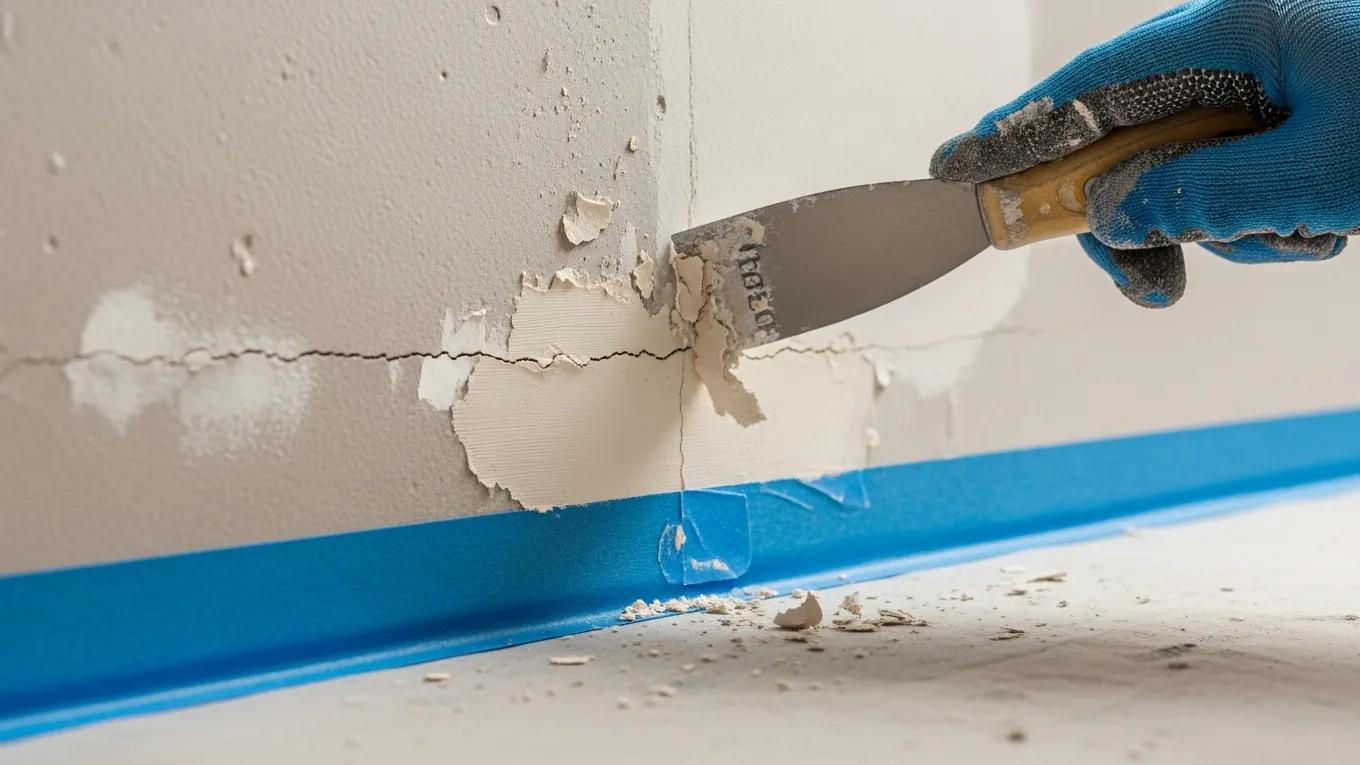
Surface condition. A building that’s been properly maintained costs less to repaint than one with peeling paint, mildew, or surface damage that needs extensive prep work before a single coat goes on.
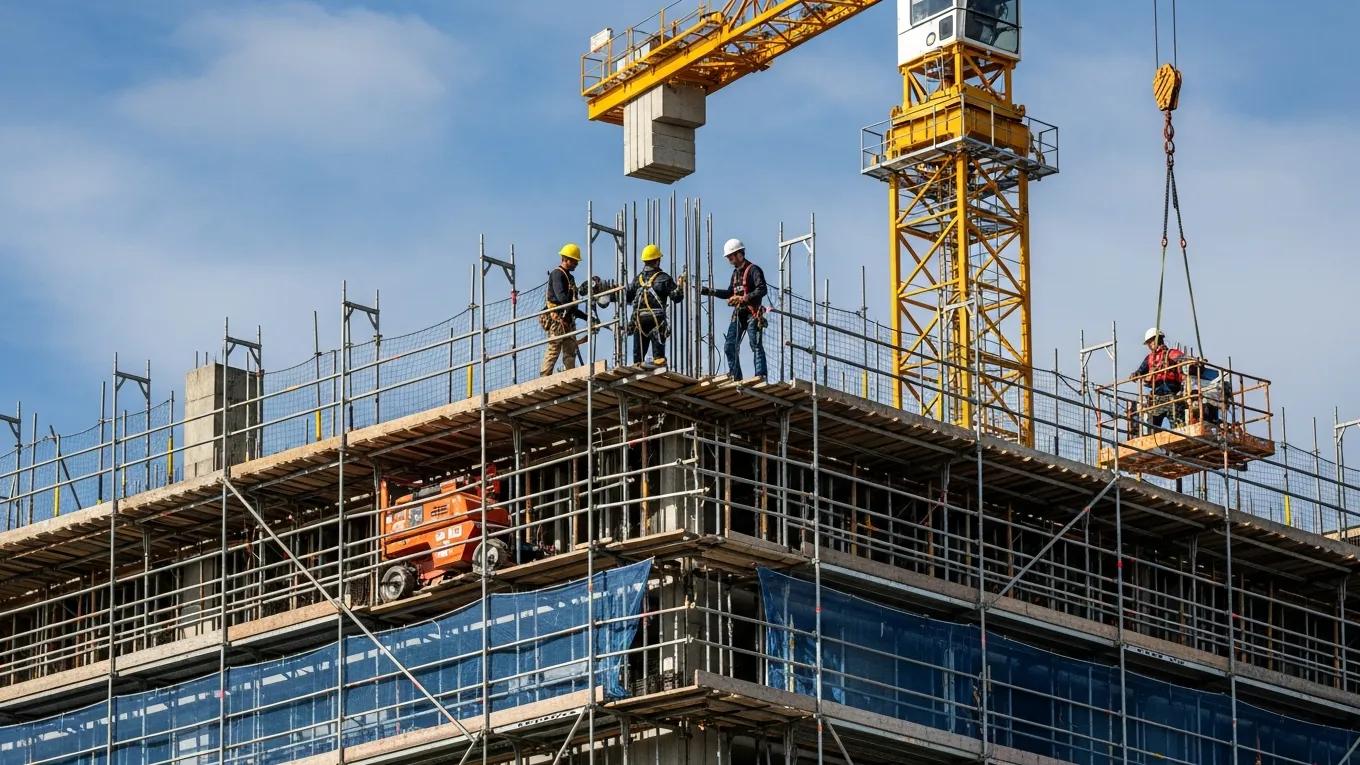
Type of building and use case. Retail spaces, offices, warehouses, schools, and hospitality properties all come with different considerations occupied hours, foot traffic, and how much disruption a project can tolerate all affect labor scheduling and, in turn, cost.
Paint and coating quality. Industrial-grade coatings built for durability and fast drying cost more upfront than basic paint, but they typically last longer and hold up better under heavy use, which matters for a long-term budget, not just the initial number.
Access and prep requirements. Power washing, caulking, glazing, or waterproofing work needed before painting begins adds to both timeline and cost, but skipping this step is one of the most common reasons a paint job fails early.
Commercial Painting Cost Per Square Foot: What Affects the Range
Property managers often ask for a flat cost-per-square-foot number, and while contractors can give a general range, the honest answer is that it varies significantly based on the factors above. A few things that push cost up or down within that range:
- Interior versus exterior work (exterior typically costs more due to weather exposure and surface prep)
- Number of coats required
- Whether the building needs structural steel or industrial coatings, which require different materials and application methods than standard wall painting
- Accessibility ground-floor retail is faster and cheaper to paint than a building requiring lift equipment for upper floors
Rather than anchoring a budget to a single per-square-foot figure, it’s more useful to request an itemized quote that breaks out labor, materials, and prep work separately. This gives you something you can actually defend to ownership if questions come up later.
How to Budget for Commercial Painting Without Getting Surprised
A common mistake property managers make is budgeting only for the paint job itself, without accounting for what comes before and after it. A more complete budget typically includes:
1. Pre-Project Assessment and Bids
Get a proper site walk-through, not just a phone estimate. A contractor who inspects the property in person will catch prep issues mildew, cracking, previous poor patch jobs that a phone quote will miss entirely.
2. Surface Preparation
Power washing and surface prep are frequently underestimated in initial budgets, but they’re not optional add-ons they directly affect how long the paint job lasts. Skipping this step to save money upfront is one of the most common reasons commercial paint jobs need to be redone sooner than expected.
3. Materials and Coating Type
Decide early whether the project calls for standard paint or a more durable industrial coating, especially for high-traffic or exterior surfaces. This decision affects cost now, but it affects your next repaint timeline even more.
4. Contingency for Unexpected Repairs
Once prep work begins, it’s common to find hidden issues soft spots, water damage, or structural concerns that weren’t visible during the initial walkthrough. Building in a contingency of roughly 10–15% keeps a project from blowing past budget the moment something unexpected turns up.
5. Timing and Scheduling
Scheduling around business hours, tenant activity, or seasonal weather can affect labor costs. Projects planned outside of peak business hours or peak season sometimes come in more efficiently, since crews aren’t working around interruptions.
Minimizing Disruption Without Blowing the Budget
One of the biggest tensions in commercial painting budgets is balancing cost against disruption. Cutting corners on scheduling to save money often ends up costing more in tenant complaints, lost business hours, or a rushed job that needs touch-ups sooner than it should.
A well-planned project typically coordinates directly with property management to work around business hours, uses methods that minimize noise and mess, and communicates a clear timeline upfront so there are no surprises for tenants or ownership. Contractors experienced with occupied commercial properties retail centers, offices, hospitality venues tend to build this coordination into their process rather than treating it as an afterthought.
Commercial Painting for Different Property Types: What Changes the Budget
Not all commercial properties budget the same way. A few examples worth knowing before you request a quote:
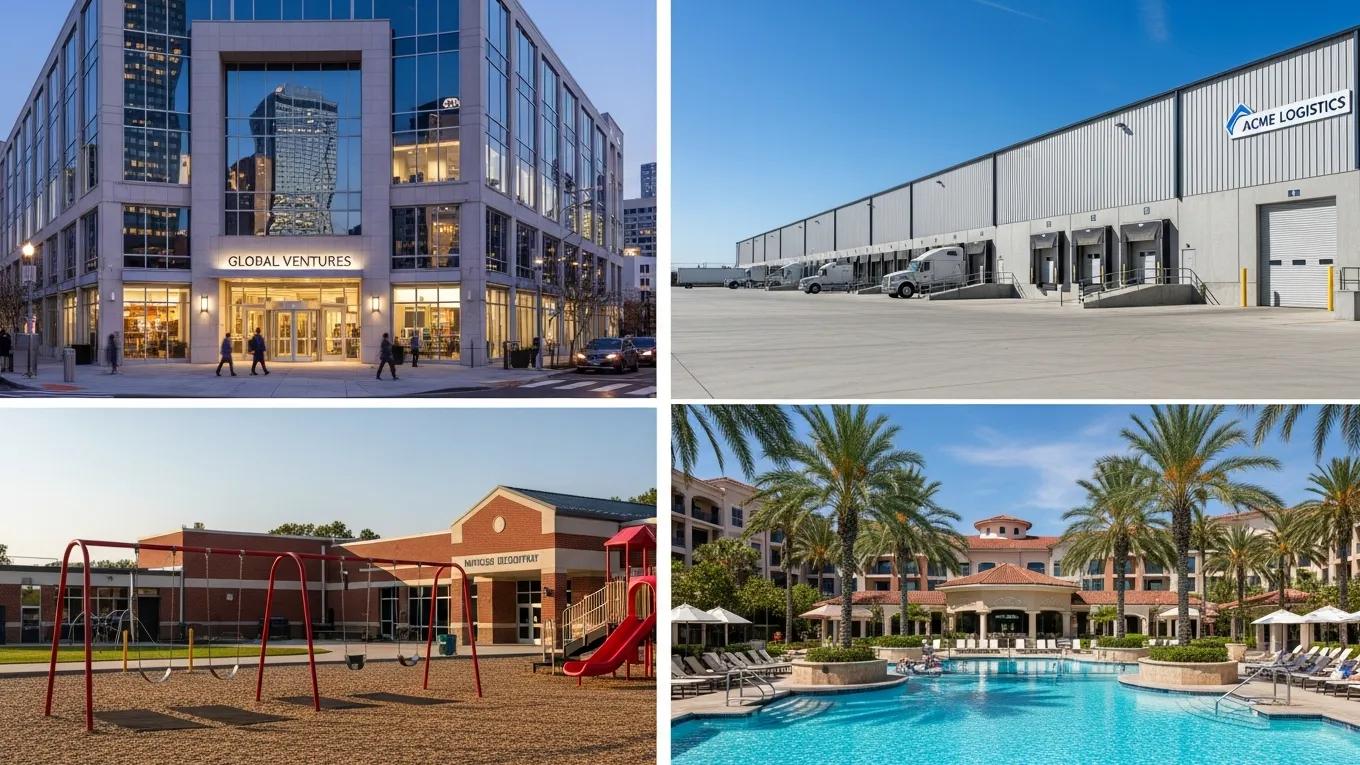
Retail and office spaces often need to stay operational during the project, which affects scheduling and sometimes requires phased work rather than a single continuous job.
Warehouses and industrial sites frequently require specialized coatings including structural steel coatings designed to handle equipment loads and thermal cycling, which changes both material cost and application method.
Schools and educational facilities typically have limited maintenance windows (often summer break) and tighter budget constraints, which makes planning timeline just as important as planning cost.
Hospitality and restaurant properties need extra coordination around guest experience and scheduling, since disruption directly affects revenue in a way it might not for an office building.
Understanding which category your property falls into helps set realistic expectations before a contractor even submits a bid.
Questions to Ask Before Approving a Commercial Painting Bid
Before signing off on a budget, it’s worth getting clear answers to:
- Does the quote separate labor, materials, and prep work, or is it a single lump sum?
- What’s included in surface preparation, and is power washing part of the base quote or an add-on?
- What warranty applies to labor and materials, and for how long?
- How will the contractor handle unexpected repairs discovered during prep?
- Has the contractor worked with properties similar to yours (retail, industrial, multi-tenant, etc.)?
A contractor who answers these clearly, with an itemized breakdown rather than a vague number, is generally easier to budget around and defend to ownership if costs are questioned later.
Frequently Asked Questions
How much does commercial painting cost per square foot?
Cost varies widely based on building height, surface condition, coating type, and accessibility. Rather than relying on a flat number, request an itemized quote broken down by labor, materials, and prep work for an accurate figure specific to your property.
What’s typically included in a commercial painting budget besides paint?
A complete budget should include surface preparation (such as power washing), materials, labor, and a contingency of roughly 10–15% for unexpected repairs discovered during prep work.
How often should a commercial building be repainted?
Repaint frequency depends on building type, exposure, and prior maintenance. For a detailed breakdown, see our guide on how often commercial buildings should be repainted in Florida.
Should surface preparation be a separate line item in a painting quote?
Yes. Prep work like power washing and caulking directly affects how long a paint job lasts, and having it broken out separately makes it easier to see exactly what you’re paying for.
Does the type of building affect the painting budget?
Significantly. Retail spaces, offices, warehouses, schools, and hospitality properties all have different scheduling needs, coating requirements, and disruption tolerances that shape the final cost.
Getting a Budget You Can Actually Trust
A commercial painting budget is only useful if it holds up once the work actually begins. That means pushing past a single flat number and understanding what’s driving the cost surface condition, building type, coating quality, and prep work all matter more than square footage alone.
Anchor Painting has worked with property managers across retail, office, industrial, and multi-tenant properties throughout Brevard County, providing detailed, itemized quotes that hold up from the first walkthrough to the final coat. If you’re preparing a painting budget for ownership or a board, a proper site assessment is the best place to start.
Ready for an itemized quote you can actually plan around? Get a free commercial painting estimate from Anchor Painting today.
You can also browse our commercial painting project gallery to see completed work across Brevard County before reaching out.
Table of Contents
Latest Blogs
A Property Manager’s Guide to Budgeting for Commercial Painting
Sajan Grover2026-08-27T20:08:14+00:00August 27, 2026|
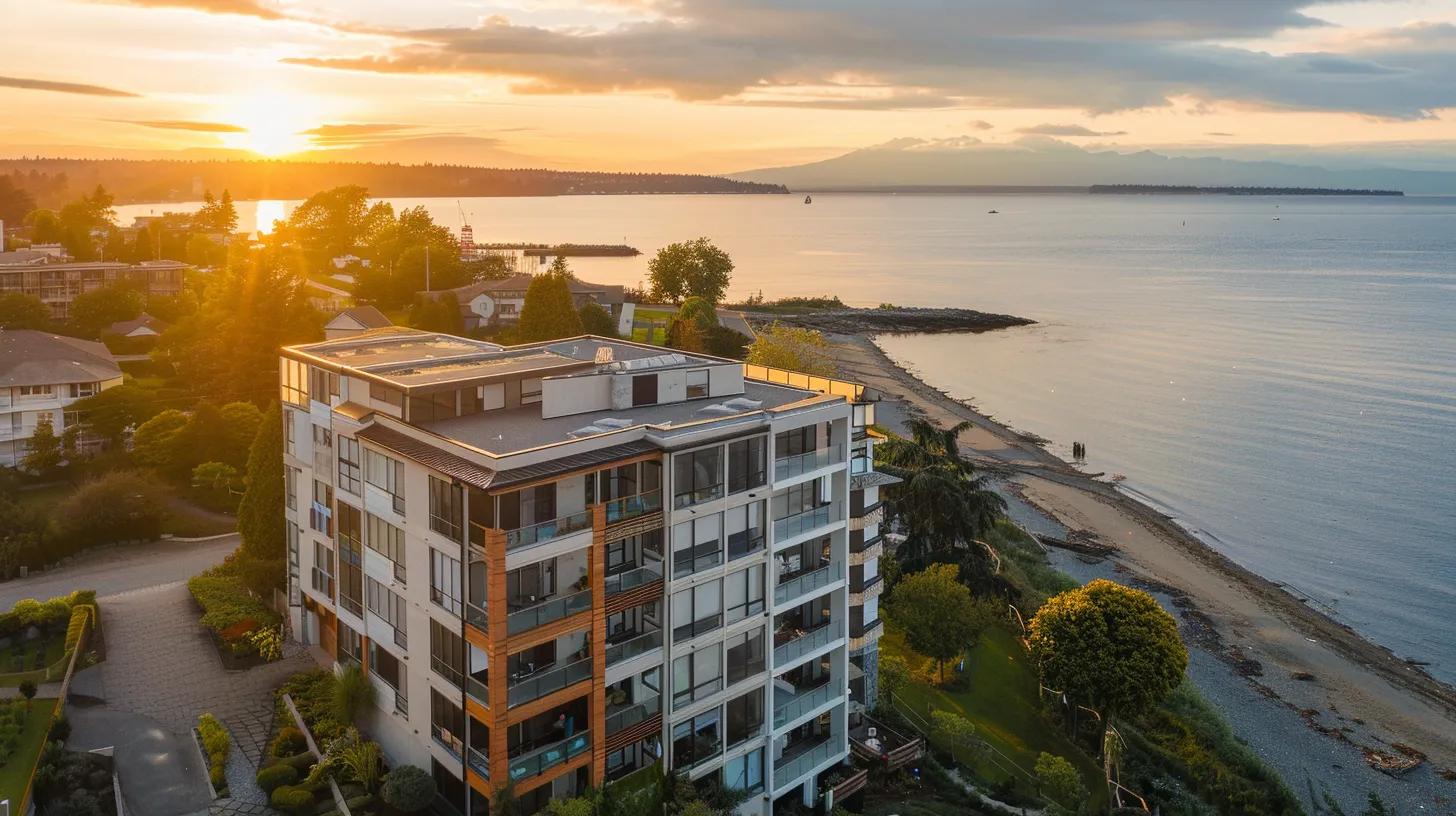
Roof Coating for HOAs and Condos: What Board Members Need to Know
Sajan Grover2026-08-27T20:05:17+00:00August 27, 2026|
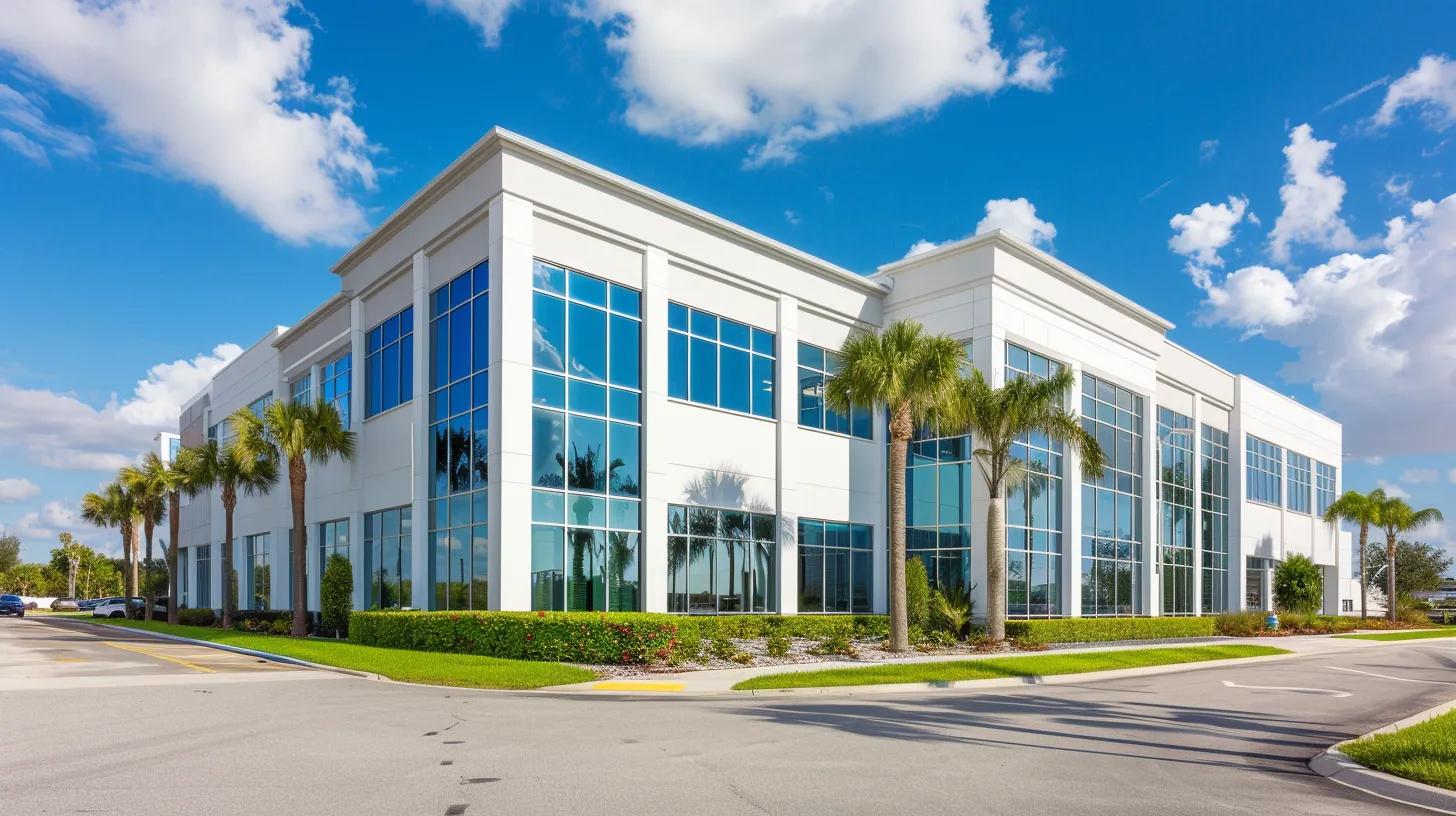
How Often Should Commercial Buildings Be Repainted in Florida?
team2026-06-23T18:08:05+00:00June 23, 2026|
Ready to Work With a Team You Can Trust?
Anchor Painting Company has painted many high-rise structures in the Melbourne Area and we know how proper prep is the essential key to our long-term success, even in the harshest oceanfront environments. We provide written non-prorated guarantees on our work covering both labor and materials, and have implemented a policy of striving for 110% satisfaction for every client at a fair price.
