

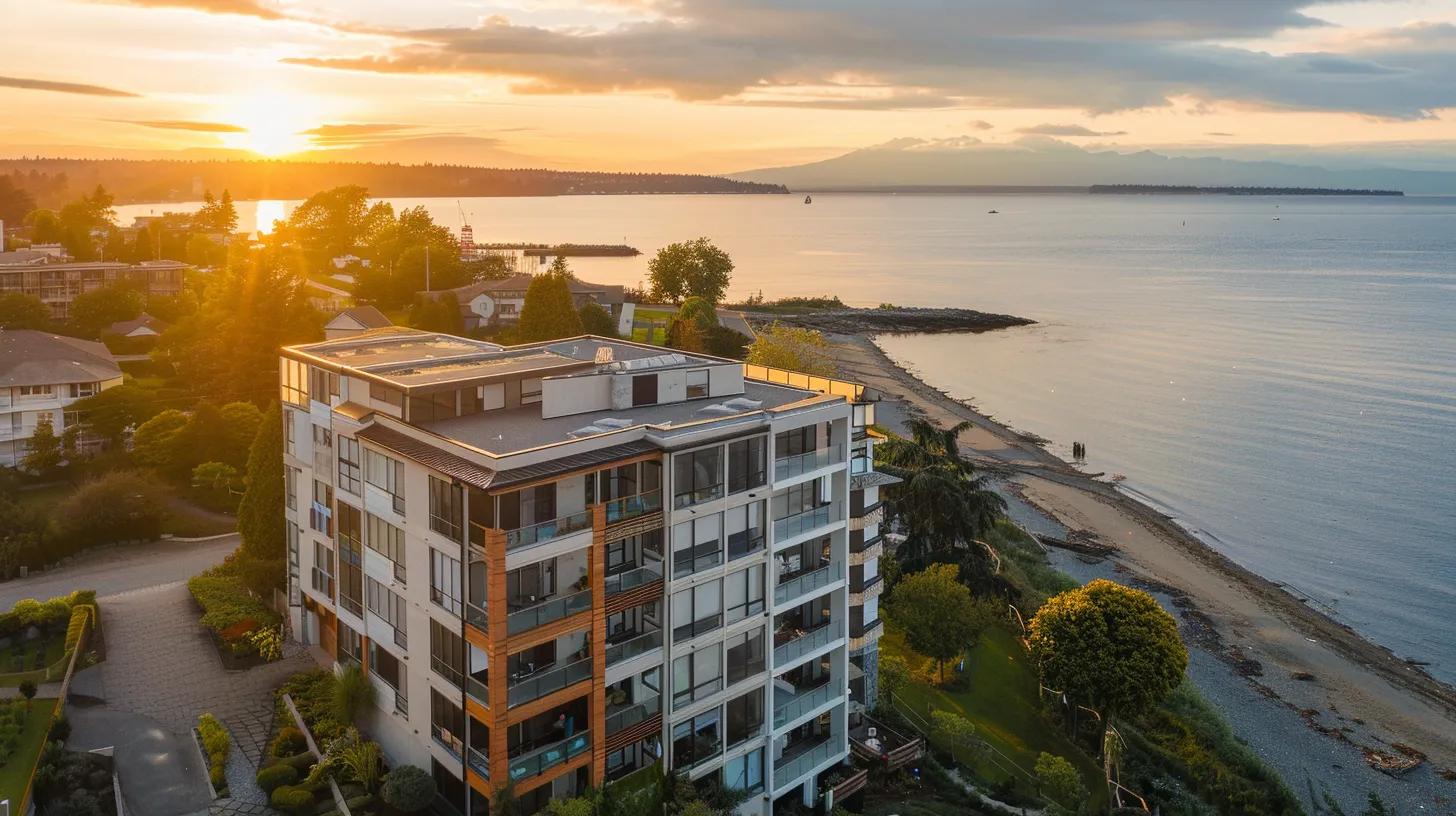
If you sit on an HOA or condo association board in Florida, you already know that roofs rarely fail quietly. One year you’re budgeting for landscaping and pool maintenance, and the next you’re staring down a contractor’s estimate for a full roof replacement that could eat through half your reserve fund.
Before you get there, it’s worth asking a question a lot of boards never think to raise: does this roof actually need to be replaced, or does it need to be coated?
For many multi-family and HOA properties across Brevard County from Cocoa Beach to Satellite Beach and Melbourne, roof coating specifically silicone roof coating is a proven way to extend a roof’s life, stop leaks before they start, and avoid a replacement project that can take months and drain reserves. This guide walks through what board members need to know before the next roofing conversation comes up at a meeting.
What Is Roof Coating, and How Is It Different From Replacement?
Roof coating is exactly what it sounds like: a seamless, waterproof layer applied directly over your existing roof surface. Unlike a full replacement, there’s no tear-off, no dumpster full of old roofing material, and no weeks of exposed decking while a new system goes on.
Silicone roof coatings in particular are built to handle standing water, resist UV breakdown, and reflect heat rather than absorb it which matters a lot in Florida, where roofs spend most of the year under direct sun. The coating bonds to the existing roof and creates a new protective membrane, effectively giving the roof a second life instead of starting from scratch.

For flat or low-slope roofs, which are common on condo buildings and HOA clubhouses, this approach tends to work especially well because these roof types are the most prone to ponding water and slow leaks that go unnoticed until there’s interior damage.
Why This Matters More for HOAs and Condos Than for a Single-Family Home
A homeowner deciding what to do about their roof is answering to themselves. A board is answering to dozens, sometimes hundreds, of unit owners each with opinions about cost, disruption, and how reserve funds get spent.
That changes the calculus in a few ways:
Multiple stakeholders need to agree. A roof coating project that costs a fraction of replacement and finishes in days rather than weeks is a much easier sell at a board meeting than a six-figure replacement that requires a special assessment.
Reserve funds are finite. Every dollar spent on an early, unnecessary replacement is a dollar not available for the next capital project. Coating a roof that has years of life left in it rather than tearing it off prematurely is one of the more overlooked ways boards protect their reserve study numbers.
Residents don’t want disruption. Condo and HOA roofing work happens above people who are still living there. Projects that come with less noise, no falling debris, and a shorter timeline cause far fewer complaints landing in the board’s inbox.
Signs Your Association’s Roof Might Be a Coating Candidate
Not every roof is a good fit for coating but many are, especially if caught before serious deterioration sets in. Common signs worth flagging to a roofing contractor include:
- Minor granule loss or fading, without widespread structural damage
- Small areas of ponding water that drain slowly but aren’t causing leaks yet
- A roof that’s past its original warranty but hasn’t shown signs of failure
- Rising energy costs, which can indicate the roof is absorbing more heat than it should
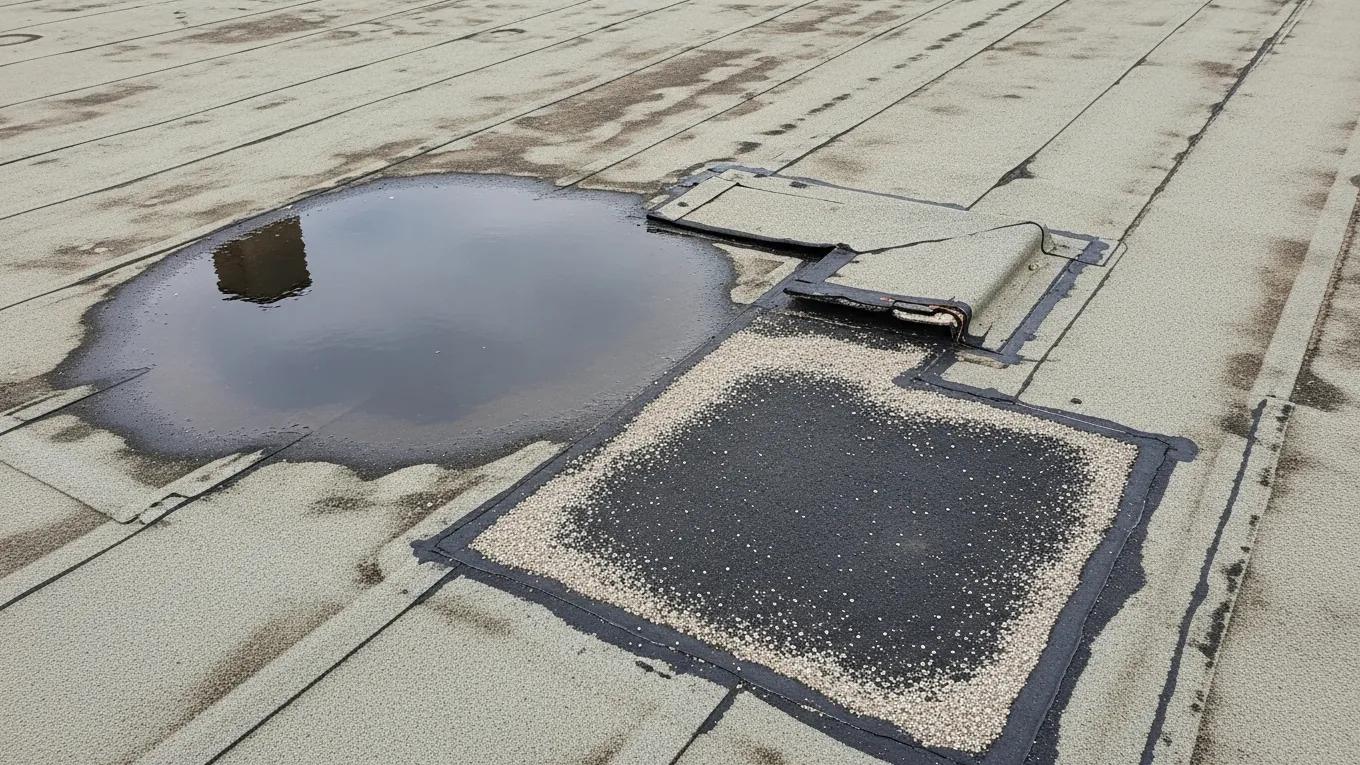
If any of these sound familiar, it’s worth getting a professional assessment before assuming replacement is the only option. A roofing contractor experienced with coatings can typically tell within one site visit whether a roof is a strong candidate.
What to Expect During a Roof Coating Project
One of the most common questions board members ask is simply: how disruptive is this going to be?
Compared to a tear-off and replacement, coating projects are considerably less invasive. There’s minimal noise, no major debris removal, and the work can often be scheduled to avoid peak resident activity. Most coating projects on mid-sized condo or HOA buildings are completed in a matter of days, not weeks a meaningful difference when residents are asking the board for updates.
A typical project generally includes:
- A roof inspection and cleaning to remove debris, mildew, and loose material
- Repair of any minor cracks, seams, or soft spots before coating is applied
- Application of the silicone coating system in even layers
- A final inspection to confirm proper coverage and adhesion
Because there’s no tear-off involved, occupied units below typically experience little to no disruption to their daily routine.
Roof Coating and Your Reserve Study
For board members and property managers, reserve study numbers are often the deciding factor in any capital project conversation. Roof coating tends to be an easier item to justify because:
- It costs meaningfully less than full replacement, freeing up reserves for other upcoming needs
- It can extend the useful life of the existing roof by a number of years, pushing a full replacement further down the road
- It reduces the risk of costly interior water damage claims, which can otherwise become an unplanned reserve expense
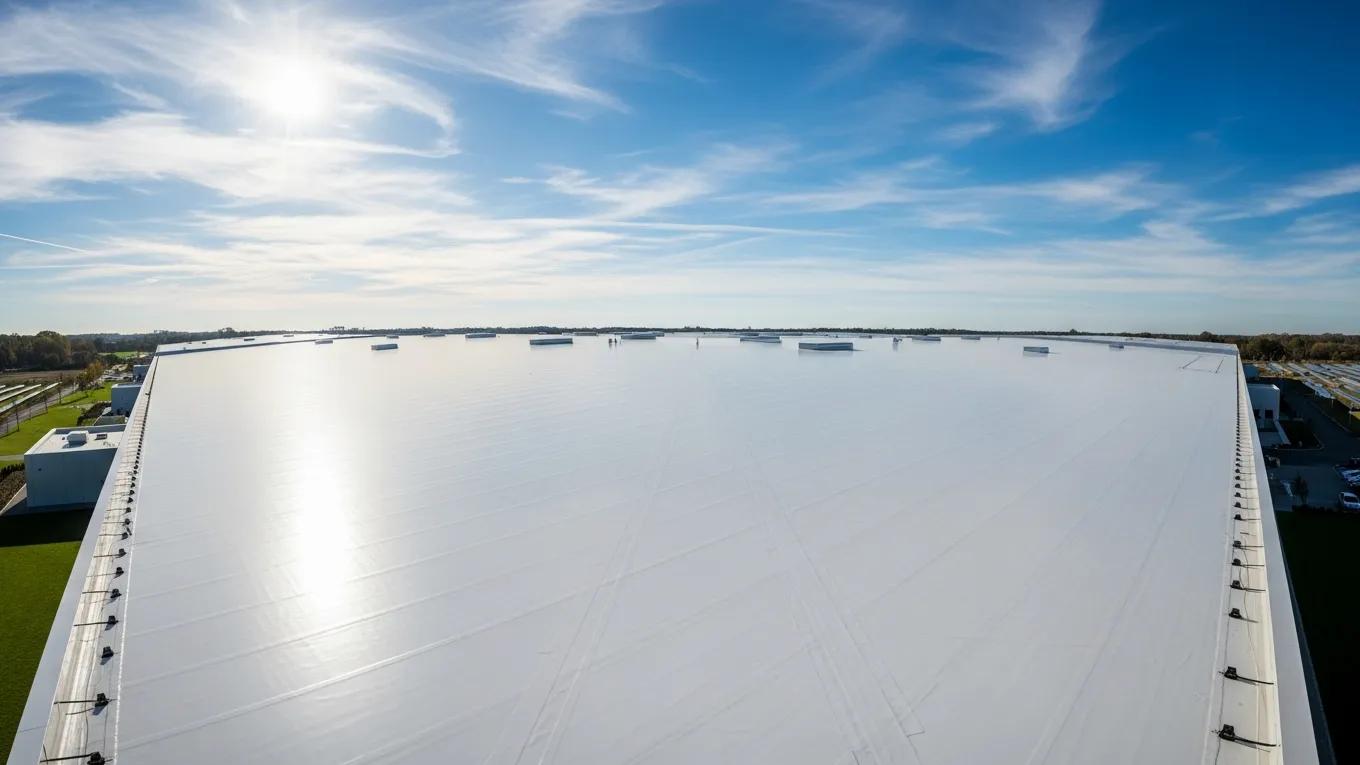
None of this means coating replaces the need for eventual roof replacement every roof reaches the end of its life eventually. What it does is give boards a way to responsibly extend that timeline without gambling on a roof that isn’t actually failing yet.
Questions Board Members Should Ask Before Approving a Roof Coating Project
Before bringing a proposal to a vote, it’s worth having clear answers to:
- Has the contractor inspected the full roof, not just a sample section?
- What warranty comes with the coating system, and does it cover labor as well as materials?
- How will the project be scheduled to minimize disruption to residents?
- Is the contractor experienced specifically with HOA and condo properties, not just single-family homes?
- What happens if hidden damage is found once the roof is cleaned and inspected?
A contractor who can answer these clearly and who has experience specifically with multi-stakeholder properties is generally a safer bet than one used to working only with individual homeowners.
Frequently Asked Questions
Is roof coating covered by HOA reserve funds? In most cases, yes. Roof coating is typically classified as a capital maintenance expense, similar to roof replacement, and can be funded through reserves. Associations should confirm this with their reserve study specialist or accountant, since classifications can vary.
How long does a silicone roof coating last on a condo building? Silicone roof coatings are generally built for long-term performance in coastal, high-UV climates like Florida’s, though actual lifespan depends on the condition of the roof before application and ongoing maintenance.
Does the board need multiple bids before approving a roof coating project? Most HOA governing documents require competitive bidding above a certain dollar threshold, similar to any other capital expense. Boards should check their specific bylaws, but getting at least two or three bids is standard practice regardless.
Will residents need to leave their units during roof coating? No. Because there’s no tear-off involved, most roof coating projects don’t require residents to vacate their units.
Can roof coating be applied over an old, aging roof? It depends on the roof’s condition. A professional inspection is necessary to determine whether the existing roof is structurally sound enough to serve as a base for coating, or whether repairs are needed first.
Making the Right Call for Your Association
Roof decisions are some of the highest-stakes items a board will ever bring to a vote expensive, disruptive if handled poorly, and highly visible to every resident in the building. Roof coating won’t be the right answer for every property, but for many HOA and condo roofs that are aging but not yet failing, it’s a legitimate way to protect the building, protect the budget, and avoid an unnecessary special assessment.
If your association is weighing this decision, the first step is a professional roof assessment not a quote for replacement, but an honest evaluation of what your roof actually needs. Anchor Painting has worked directly with HOA and condo boards throughout Brevard County, including Melbourne, Cocoa Beach, Satellite Beach, Palm Bay, and Titusville, understanding the realities of multiple stakeholders, tight budgets, and residents who expect minimal disruption.
Ready to find out if your roof is a good candidate for coating? Get a free roof assessment and quote from Anchor Painting and get a clear, honest answer before your next board meeting.
You can also browse our condo and HOA project gallery or see completed roof coating projects across Brevard County before reaching out.
Table of Contents
Latest Blogs
A Property Manager’s Guide to Budgeting for Commercial Painting
Sajan Grover2026-08-27T20:08:14+00:00August 27, 2026|
Roof Coating for HOAs and Condos: What Board Members Need to Know
Sajan Grover2026-08-27T20:05:17+00:00August 27, 2026|
How Often Should Commercial Buildings Be Repainted in Florida?
team2026-06-23T18:08:05+00:00June 23, 2026|
Ready to Work With a Team You Can Trust?
Anchor Painting Company has painted many high-rise structures in the Melbourne Area and we know how proper prep is the essential key to our long-term success, even in the harshest oceanfront environments. We provide written non-prorated guarantees on our work covering both labor and materials, and have implemented a policy of striving for 110% satisfaction for every client at a fair price.
